
If you're planning a window replacement in 2026, one question will come up before you've even picked a brand: vinyl or fiberglass?
Both are the dominant replacement window materials right now. Both outperform wood and aluminum in most situations. And both can be excellent choices — depending on your home, your priorities, and your budget.
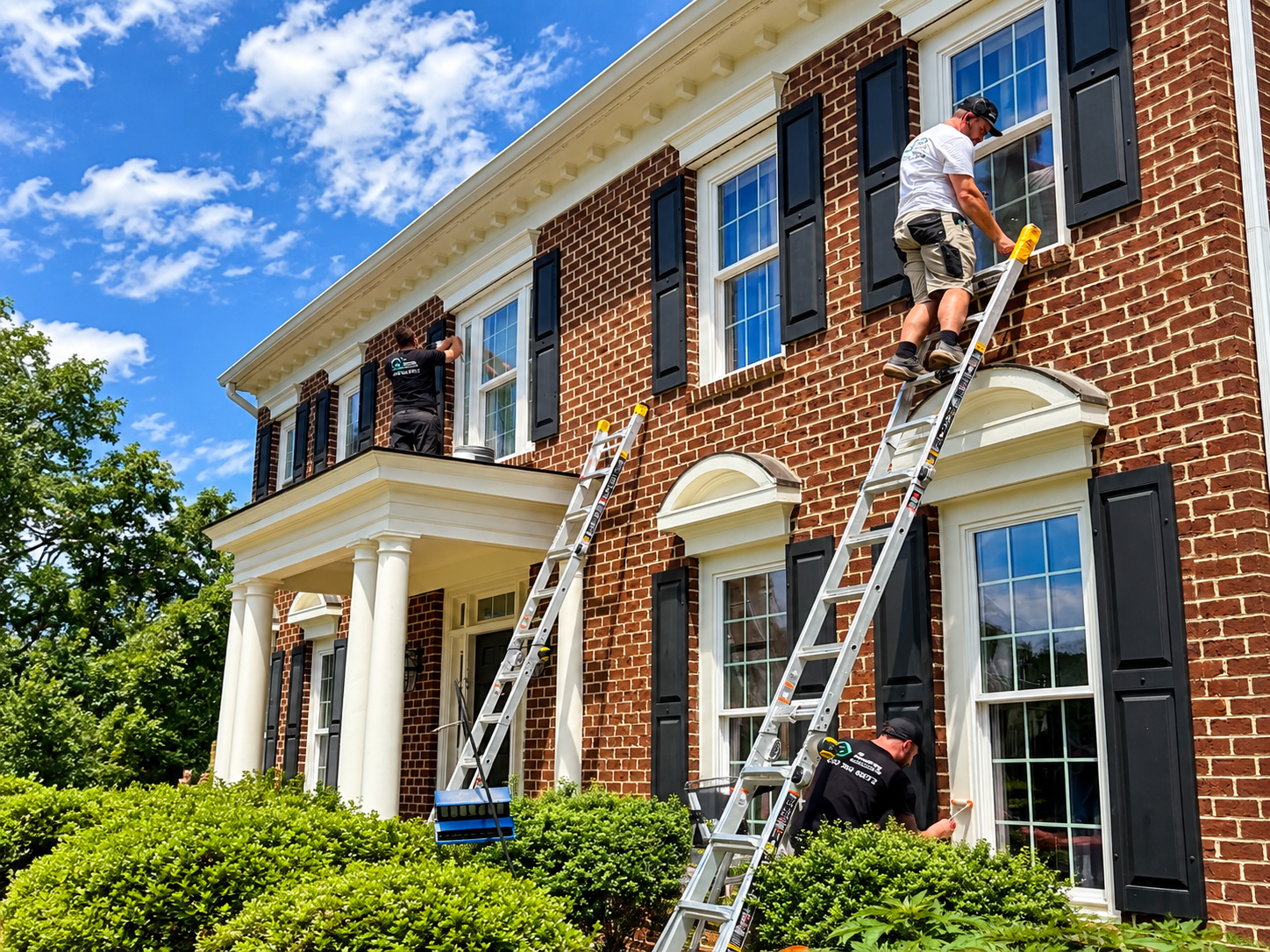
At All Dwelling Solutions, we install both materials across Montgomery and Howard Counties. We've seen them perform in Maryland's specific conditions: hot, humid summers, cold winters, and the kind of freeze-thaw cycles that put windows under real stress. Here's what we've learned.
One Important Change for 2026: The Federal Tax Credit Is Gone
Before getting into materials, there's something worth knowing upfront. The federal Energy Efficient Home Improvement Credit (Section 25C) — which offered homeowners up to $600 back on qualifying ENERGY STAR window replacements — expired on December 31, 2025.
This doesn't mean window replacement is no longer worth it. It means the financial case now rests entirely on long-term energy savings, durability, and the right material choice for your situation — not on a subsidy cushion.
That makes the vinyl vs. fiberglass decision more important than ever.
What Each Material Actually Is
Vinyl windows are made from PVC (polyvinyl chloride) — the same durable plastic used in plumbing and exterior trim. Multi-chamber frame designs give vinyl solid insulation properties and make it one of the most popular replacement materials in the country.
Fiberglass windows are made from reinforced glass fibers set in resin. The result is a frame that is significantly stronger than vinyl, expands and contracts at nearly the same rate as glass itself, and can hold very tight tolerances over decades.
Both materials resist rot, moisture, and insects. Neither requires painting. The differences show up in cost, longevity, aesthetics, and how they handle Maryland's climate over time.
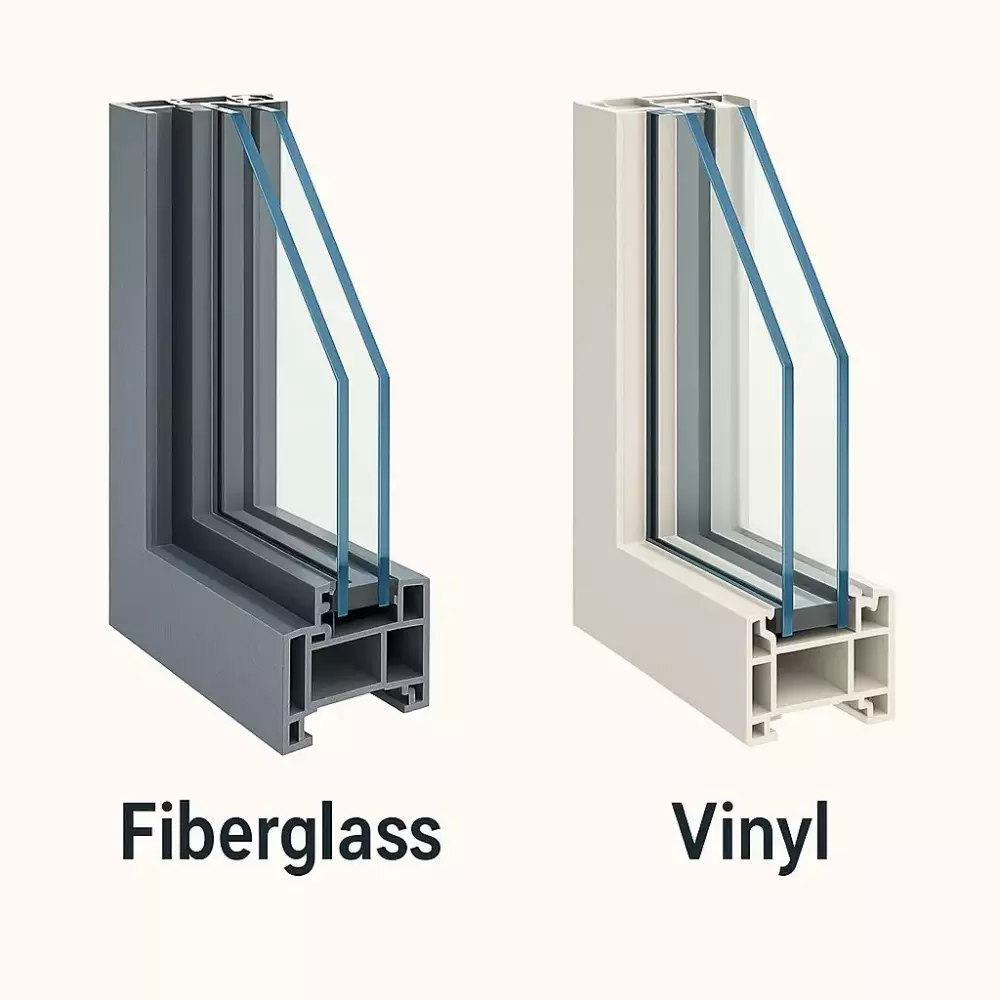
Side-by-Side: The Key Differences
Cost
Vinyl is the more affordable option. In 2026, vinyl windows average around $900–$1100 per window installed, while fiberglass averages $1200–$1500, roughly a 15–20% premium. On a full home replacement of 15–20 windows, that gap becomes meaningful.
Bottom line: If budget is your primary constraint, vinyl gives you strong performance at a lower entry point.
Durability and Longevity
Fiberglass is the stronger material — significantly so. It resists warping, cracking, and fading better than vinyl over time, and typically carries a longer lifespan: 40–50+ years versus vinyl's 20–40.
One area where this matters specifically in Maryland: temperature cycling. Our winters drop below freezing; our summers push into the 90s with high humidity. Vinyl frames expand and contract more than fiberglass under these swings, which can gradually stress seals. Fiberglass, expanding at nearly the same rate as the glass it holds, maintains a tighter fit over the long run.
Bottom line: For a home you plan to stay in for 20+ years, fiberglass tends to be the better long-term investment.
Energy Efficiency
Both materials outperform aluminum and wood in thermal performance. The difference between vinyl and fiberglass is real but narrower than many expect.
Fiberglass typically achieves a slightly better U-factor (around 0.20 vs. vinyl's 0.30), meaning marginally less heat transfer. Many fiberglass frames are also filled with insulating foam, adding another layer of performance.
That said, a well-specified vinyl window with Low-E glass, argon gas fill, and a quality installation will significantly outperform an older single- or double-pane window of any material. For most Maryland homeowners, the glass package matters as much as the frame material.
Bottom line: Both are energy efficient. Fiberglass has a slight edge, but the glass specification matters more than the frame in most real-world comparisons.
Aesthetics and Design Options
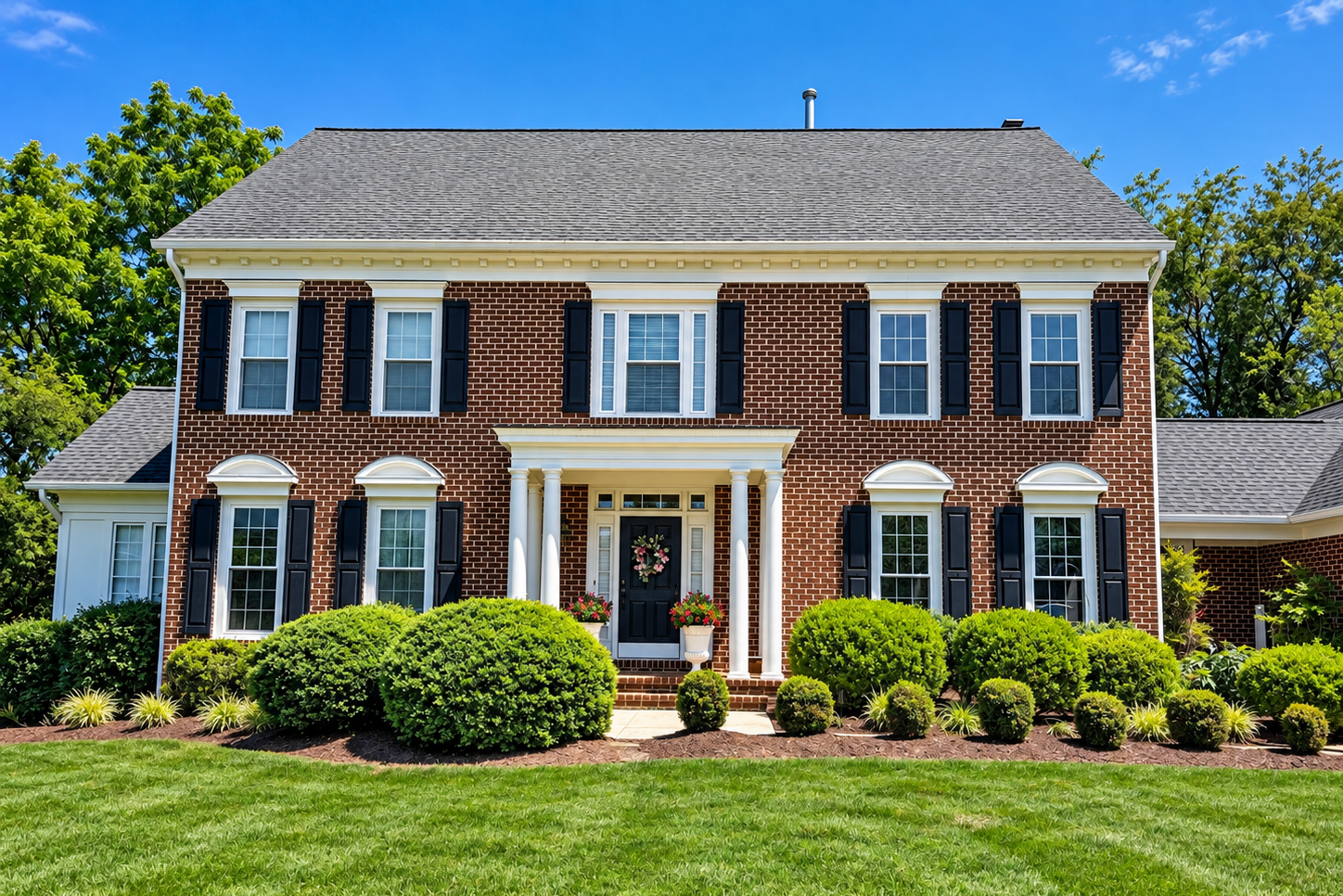
This is where fiberglass has a clear advantage for design-conscious homeowners. Fiberglass can be painted any color — including after installation — and often features slimmer profiles that maximize glass area. Black and dark bronze fiberglass windows have become one of the strongest trends in residential design right now, and they hold their finish better than vinyl over time.
Vinyl has expanded its color options in recent years, but dark vinyl colors are more prone to heat absorption and fading in direct sun — something worth considering on south-facing elevations.
Bottom line: If you want dark frames, slim profiles, or color flexibility, fiberglass is the more durable aesthetic choice.
Maintenance
Both materials are low-maintenance compared to wood. Neither needs painting or sealing.
Vinyl can be cleaned with soap and water. Fiberglass is equally easy — and additionally can be repainted if you ever want to change the color, which vinyl cannot.
Bottom line: Essentially equal. Fiberglass adds the option of repainting; vinyl does not.
What Maryland's Climate Specifically Demands
Maryland sits in a mixed-humid climate zone. That means:
- Summers bring high humidity and temperatures in the 85–95°F range, sometimes higher
- Winters bring sustained cold and freeze-thaw cycles, with temperatures that can drop well below freezing for days at a time
- Seasonal swings of 80°F+ between the coldest and warmest months put frame materials under real expansion/contraction stress
For most Maryland homes, both vinyl and fiberglass will perform well if properly installed and well-specified. The freeze-thaw factor slightly favors fiberglass for long-term seal integrity. The humidity factor favors both equally over wood or aluminum.
If your home has significant south- or west-facing exposure and you're considering darker frame colors, fiberglass is the more reliable choice — dark vinyl can absorb heat and soften in direct sun over time
Which Should You Choose?
There's no universal right answer, but here's a practical framework:
Choose vinyl if:
- You're replacing many windows and managing a tighter budget
- The home is a standard residential replacement project without unusual size or design requirements
- You want a proven, widely available material with strong manufacturer support
- You're planning to sell the home within 10–15 years
Choose fiberglass if:
- You're prioritizing long-term durability and plan to stay in the home for decades
- You want dark frames, slim profiles, or the ability to repaint down the road
- Your home has large openings or custom sizes where structural rigidity matters
- You want the best available thermal performance without compromise
Not sure? A professional assessment of your specific windows, exposures, and home age can help clarify what will give you the best return. We do this at no cost.
A Note on Installation
Whichever material you choose, installation quality determines a significant portion of the final result. A well-manufactured fiberglass window installed with gaps in the rough opening, poor flashing, or inadequate sealing will underperform a correctly installed vinyl window every time.
At All Dwelling Solutions, all installations are completed by our in-house team — not subcontractors. That consistency matters, especially for air sealing and weatherproofing details that protect Maryland homes through full seasonal cycles.
Ready to Choose?
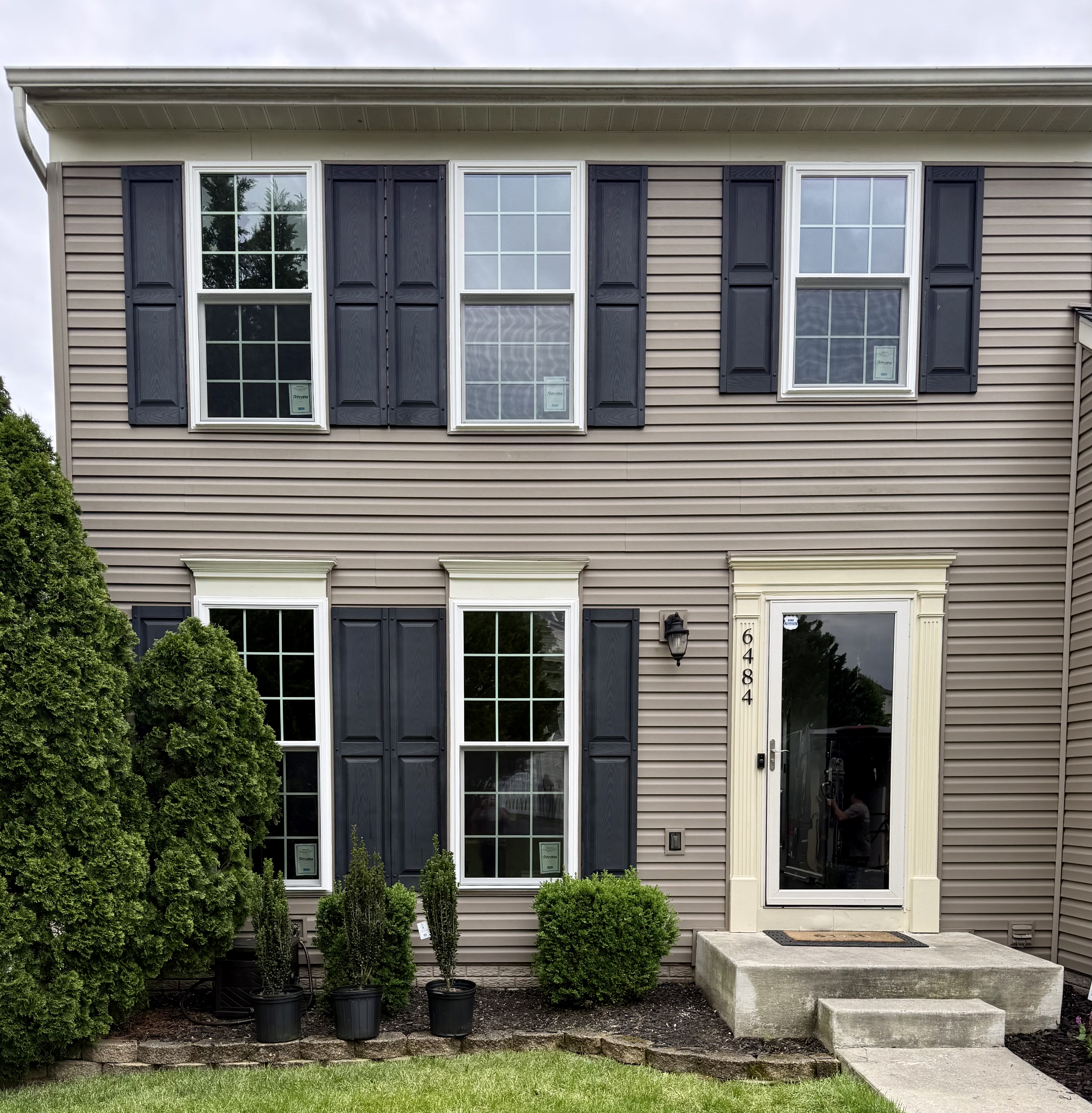
We install vinyl and fiberglass windows from brands including Andersen, Marvin, Pella, ProVia, and Oknoplast — and we'll help you find the right fit for your home, not just the most expensive option.
Contact us for a free consultation. We'll assess your current windows, walk you through the material options, and give you a clear picture of what replacement will actually cost and deliver for your specific home.
No pressure. Just an honest conversation.