How to Choose the Right Windows for Your Home: A Complete Homeowner's Guide
How to Choose the Right Windows for Your Home: A Complete Homeowner's Guide
Everything homeowners need to know about choosing the right replacement windows—from window styles and energy efficiency to tempered glass, privacy glass, and safety requirements—before making a long-term investment.
Choosing new windows is one of the most important investments you can make for your home. The right windows improve energy efficiency, increase property value, enhance curb appeal, reduce outside noise, and make your home more comfortable year-round.
However, with so many styles, glass options, and building code requirements, many homeowners aren't sure where to begin.
This guide explains everything you should know before purchasing replacement windows.
1. Start With the Purpose of the Window
Every room has different needs.
Ask yourself:
Do you want maximum ventilation?
Do you want the biggest possible view?
Is privacy important?
Is the window serving as an emergency exit?
Does the window receive direct sunlight?
Is it located in a bathroom or near a staircase?
Answering these questions will help determine the best window style and glass package.
2. Choose the Right Window Style
Double Hung Windows
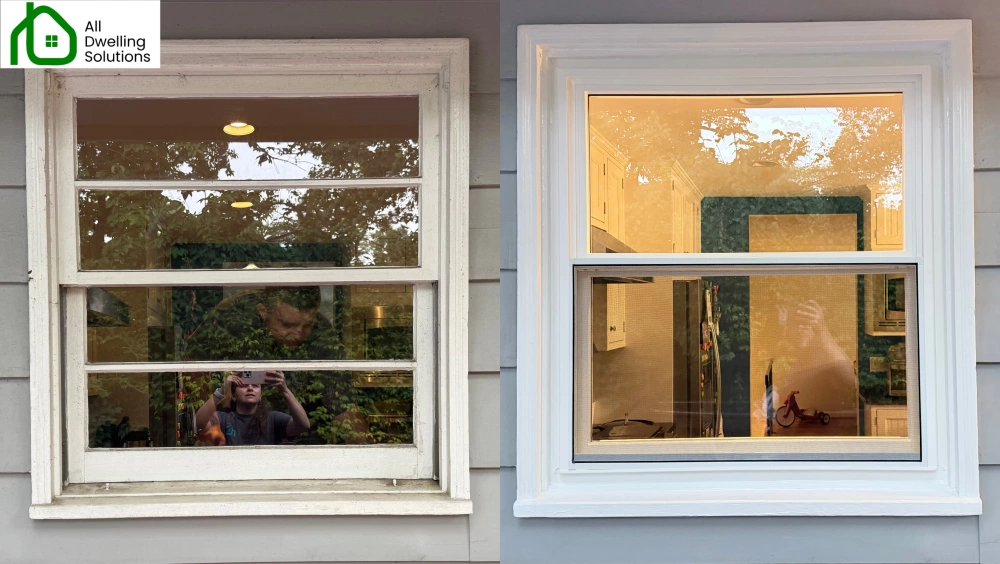
Double hung windows are one of the most popular choices for American homes.
Advantages
Both sashes operate
Easy to clean from inside
Classic appearance
Great for bedrooms and living areas
Works well with window air conditioners
Best for:
Traditional homes
Bedrooms
Living rooms
Second-story windows
Casement Windows
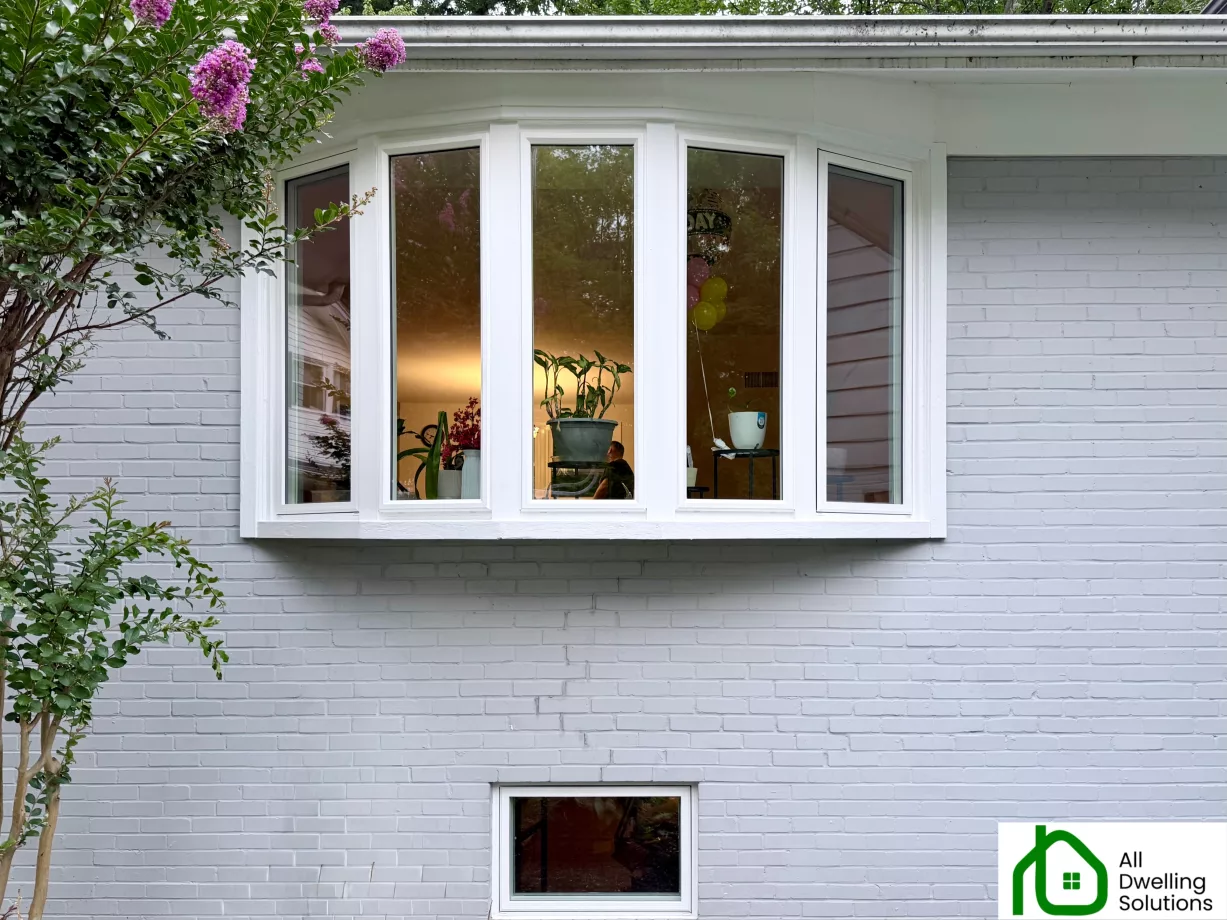
Casement windows open outward using a crank handle.
Advantages
Superior energy efficiency
Better air sealing
Excellent ventilation
Larger unobstructed glass area
Easier to operate
Best for:
Kitchens
Bathrooms
Modern homes
Areas where maximum airflow is desiredBefore/After, Bethesda, July 2026Which Is Better?
There isn't a single "best" window.
Choose Double Hung if you want:
Traditional appearance
Easy maintenance
Lower initial cost
Choose Casement if you want:
Better energy efficiency
Larger views
Maximum ventilation
Better weather performance
3. Understand Energy Performance
A quality replacement window should include:
Low-E glass coating
Argon gas between panes
Warm-edge spacer technology
Double-pane insulated glass (or triple-pane where appropriate)
Energy-efficient weatherstripping
These features help:
Lower heating bills
Reduce cooling costs
Eliminate drafts
Increase indoor comfort
4. When Is Tempered Glass Required?
Tempered glass is approximately four times stronger than standard glass.
Instead of breaking into dangerous sharp pieces, it shatters into small rounded fragments, making it much safer.
Building codes typically require tempered safety glass in locations such as:
Patio doors
Sliding glass doors
Windows near doors
Windows close to the floor
Bathrooms
Shower enclosures
Stairways
Areas where accidental human impact is possible
Although tempered glass costs slightly more, it provides significantly improved safety.
5. When Should You Choose Obscure (Privacy) Glass?
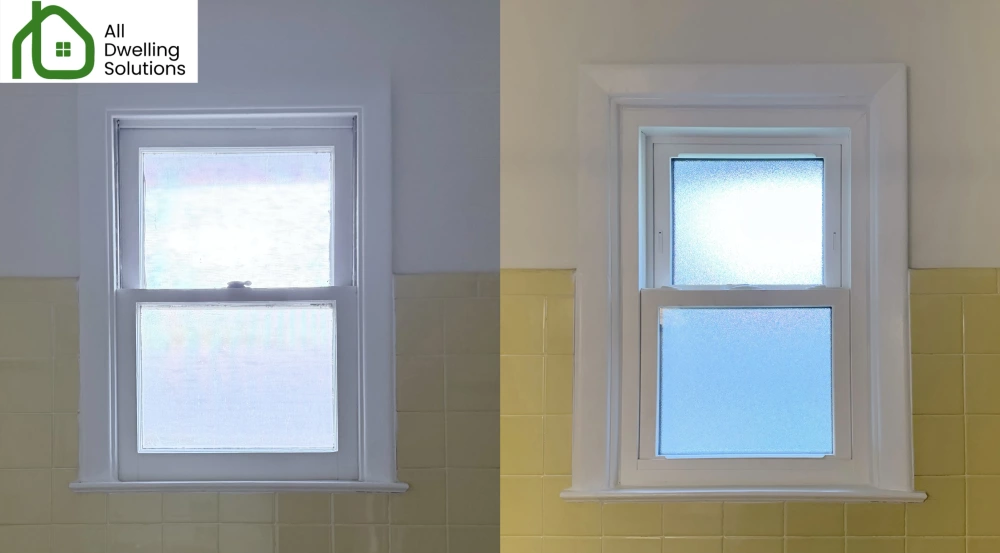
Privacy glass allows natural light into your home while preventing clear visibility from outside.
It is commonly used in:
Bathrooms
Powder rooms
Front entry sidelites
Laundry rooms
Garage windows
Closets
Home offices facing neighboring properties
Popular privacy glass options include:
Frosted Glass
Satin Etch
Rain Glass
Glue Chip
Reeded Glass
Narrow Reed
Flemish Glass
Privacy glass eliminates the need for blinds while maintaining daylight.
Before/After double-hung window with privacy glass
6. Should You Choose Double-Pane or Triple-Pane Glass?
Most homes benefit from high-quality double-pane Low-E windows.
Triple-pane glass may be worth considering if you:
Live in very cold climates
Want maximum sound reduction
Prioritize the highest possible energy efficiency
Have large picture windows facing extreme weather
For many homeowners in Maryland area, premium double-pane windows provide an excellent balance between performance and cost.
7. Window Performance Ratings Matter
Instead of focusing only on brand names, compare certified performance ratings.
Important ratings include:
U-Factor
Measures how well a window prevents heat loss.
Lower numbers are better.
Solar Heat Gain Coefficient (SHGC)
Measures how much solar heat enters your home.
Lower values help reduce summer heat gain.
Higher values may be beneficial in colder climates.
Visible Transmittance (VT)
Measures how much natural daylight enters your home.
Higher values provide brighter interiors.
Air Leakage (AL)
Measures how much outside air passes through the window.
Lower values indicate a tighter, more energy-efficient window.
8. Consider Your Home's Orientation
The direction your windows face affects performance.
South-Facing
Receives the most sunlight.
Low-E coatings help reduce overheating.
East-Facing
Morning sun.
Great for kitchens and breakfast rooms.
West-Facing
Strong afternoon heat.
Solar-control glass is often recommended.
North-Facing
Receives the least direct sunlight.
Choose highly insulated windows to minimize heat loss.
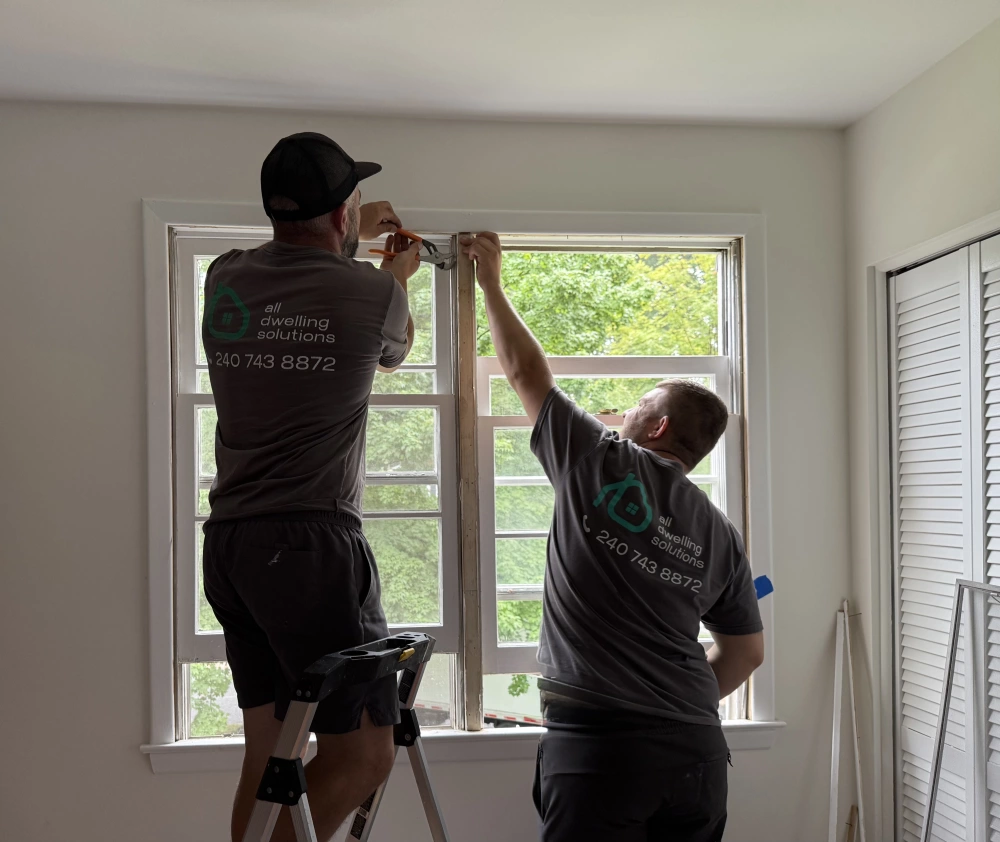
9. Installation Is Just as Important as the Window
Even the best window can perform poorly if installed incorrectly.
Professional installation should include:
Proper flashing
Air sealing
Insulation around the frame
Waterproofing
Correct shimming and leveling
Exterior caulking
Interior finishing
Proper installation helps prevent:
Water leaks
Air drafts
Condensation
Premature window failure
10. Don't Buy Based on Price Alone
The cheapest window often becomes the most expensive over time due to:
Air leaks
Higher energy bills
Hardware failures
Seal failures
Water damage
Shorter lifespan
Instead, look for the best value by balancing quality, energy efficiency, warranty, and professional installation.
Professional All Dwelling Solution TeamFinal Thoughts
Replacing your windows is a long-term investment that should improve your home's comfort, appearance, safety, and energy efficiency for decades.
Choosing the right style, glass package, and installation method can make all the difference.
At All Dwelling Solutions, we help homeowners compare window options based on their home's design, budget, and performance goals. Whether you're considering double hung, casement, picture, specialty, or custom windows, our team can guide you through every step—from selection to professional installation.
If you're planning a window replacement project in Maryland, contact us for a free consultation and expert recommendations tailored to your home.
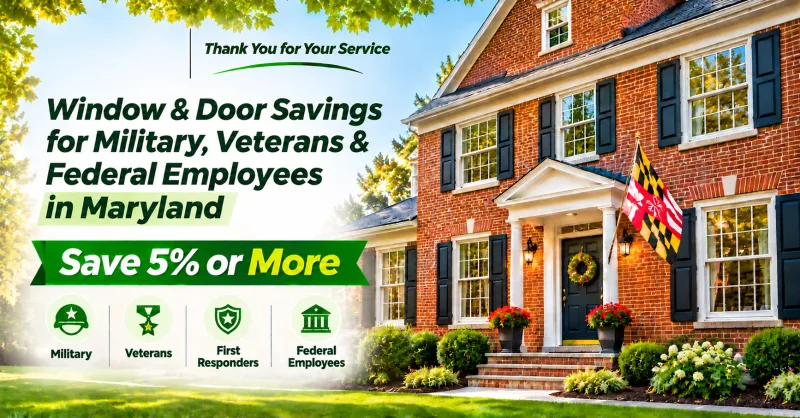
How military families, veterans, first responders and federal employees in Maryland can save on new windows and doors, from discounts to financing and smart timing.